Online Courses Business Card: A Practical Guide to Choosing the Right Design
If you're running a business, freelancing, or teaching online courses, having a professional business card can make a big difference. The Online Courses Business Card is a versatile tool that helps you present your brand in a polished and consistent way. But with so many options available, it's easy to make mistakes when choosing, downloading, or using these templates. Understanding what to look for and how to avoid common pitfalls can save you time, money, and frustration.
What Is an Online Courses Business Card?
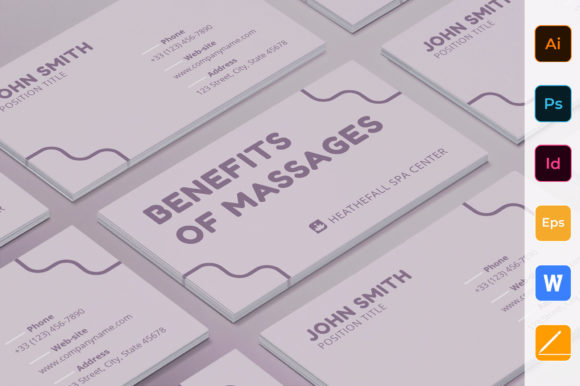
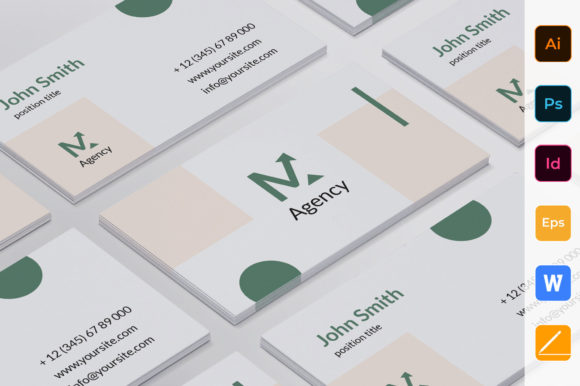
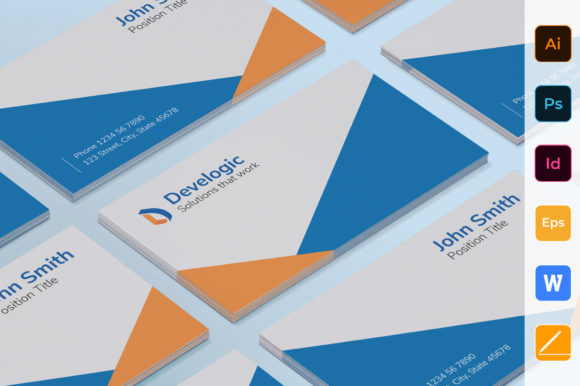
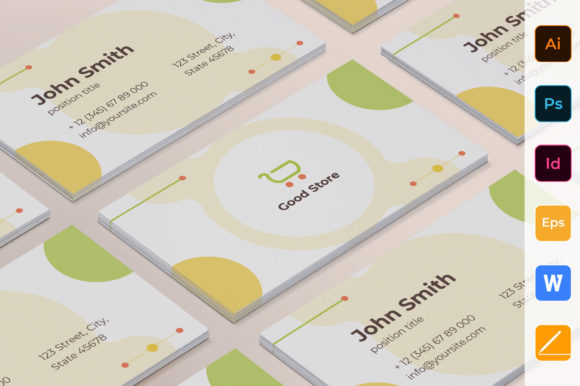
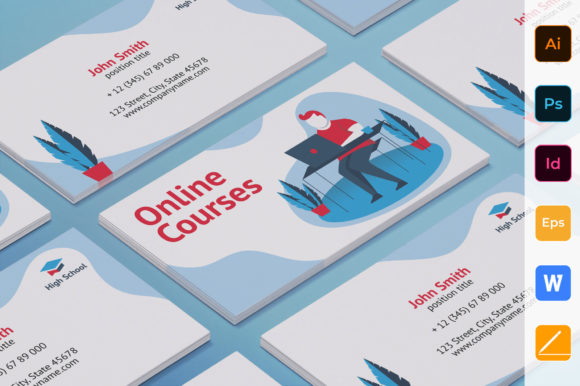
An Online Courses Business Card is a digital template designed to help you create a physical business card that reflects your online course offerings, branding, or personal identity. These cards are often used by educators, coaches, and entrepreneurs who want to share their contact information, website links, and social media profiles in a professional manner.
The package typically includes two sizes—US (3.5×2 inches) and EU (85×55mm)—and offers high-quality, customizable designs. You can edit text, add your logo, and adjust colors to match your brand. The files are compatible with popular design software like Adobe Photoshop, Illustrator, InDesign, Microsoft Word, and Apple Pages.
Common Mistakes When Using Online Courses Business Cards
Many people rush into buying or downloading a template without considering the details. Here are some common mistakes that can affect the quality and effectiveness of your Online Courses Business Card:
- Ignoring File Formats: Not all templates support the software you use. For example, if you only have access to Microsoft Word, you need to ensure the template includes DOCX files. Otherwise, you might end up with a design that’s difficult to edit.
- Overlooking Resolution and Color Settings: A business card needs to be print-ready. If the file uses RGB instead of CMYK or has a low resolution (below 300 DPI), the printed result may look dull or blurry.
- Not Checking Customization Options: Some templates limit how much you can change. Make sure the design allows for easy text editing, logo placement, and color adjustments before purchasing.
- Misunderstanding Size Requirements: US and EU cards have different dimensions. Choosing the wrong size could lead to issues when printing or using them in standard card holders.
How Mistakes Affect Your Results
Choosing the wrong Online Courses Business Card can lead to several problems. For instance, if you download a template that doesn’t match your brand colors, your card may look unprofessional. Similarly, if the file isn’t print-ready, you might end up paying extra for reprints or hiring a designer to fix the issue.
Another common problem is not knowing how to transfer the template into a usable format. Some files require advanced design skills, which can be a barrier for beginners. This can slow down your workflow and reduce efficiency, especially if you’re trying to create multiple cards quickly.
Practical Tips to Avoid Common Errors
To get the most out of your Online Courses Business Card, follow these practical tips:
- Check Compatibility: Before downloading, confirm that the template supports your preferred software. Most packages include files for Adobe programs, Microsoft Word, and Apple Pages, but it’s always good to double-check.
- Verify Print-Ready Settings: Ensure the file uses CMYK color mode and has a resolution of at least 300 DPI. This guarantees a clean, professional print.
- Test the Template: Download a sample or trial version if possible. This lets you see how the design looks on paper and whether it meets your expectations.
- Plan Your Layout: Decide on the information you want to include—such as your name, title, contact details, and website—before starting the design. This helps avoid last-minute changes that could complicate the process.
What to Check Before Making a Decision
Before purchasing or downloading an Online Courses Business Card, take the time to review the following details:
- File Types Included: Look for a variety of formats such as EPS, AI, PSD, IDML, INDD, DOCX, and PAGES. This ensures flexibility across different platforms.
- Customization Options: Choose a template that allows for easy text and logo edits. Avoid overly complex designs that are hard to modify.
- Instructions and Support: Reliable providers offer clear instructions on how to download and use the files. This can save you time and reduce confusion.
- Quality of Original Artwork: High-quality graphics and logos contribute to a more professional appearance. Avoid templates with generic or low-resolution images.
Realistic Examples and Better Approaches
Consider this scenario: You buy a Online Courses Business Card template, only to find out it doesn’t work with your design software. Instead of spending hours trying to fix it, you could have checked the file formats beforehand. Another example: You download a template with RGB colors, but the printed card looks washed out. By verifying the color settings, you could have avoided this issue.
A better approach is to invest in a well-documented, flexible template that matches your needs. For instance, a template that includes both US and EU sizes, along with editable text and logo areas, gives you more control and reduces the risk of errors.